Socially responsible drug development: who is in charge?
Socially responsible drug development: who is in charge?
How can we ensure that innovative medicines are not only developed, but also made available, accessible and affordable to patients? Achieving this requires more than scientific breakthroughs: we also need to critically examine how medicines are developed, financed and made available.
The workshop ‘Orchestrating Socially Responsible Innovation in Pharma’ explored how socially responsible pharmaceutical innovation can be better organised. Researcher Tineke Kleinhout-Vliek from University College Dublin, together with her colleagues Susi Geiger and Sarah Wadmann, is examining the role of new forms of collaboration and organisations that connect stakeholders across the pharmaceutical landscape.
Innovation does not automatically create societal value
Over recent decades, pharmaceutical research has delivered major medical breakthroughs. Yet not everyone benefits equally from these advances. For certain conditions, such as rare diseases, tropical diseases and infections caused by antibiotic-resistant bacteria, the development of new treatments continues to lag behind. At the same time, the high prices of some innovative medicines are putting pressure on access to healthcare and its affordability.
According to Kleinhout-Vliek, it is therefore important to consider pharmaceutical innovation from a broader societal perspective. A medicine may be scientifically promising, but it only delivers genuine societal value when patients can actually access it. This requires societal interests to be considered throughout the entire development process: from setting research priorities to financing, manufacturing and ultimately making treatments available.
The challenge is that the current system of pharmaceutical development is strongly influenced by commercial incentives. As a result, investment decisions do not always align with the greatest medical and societal needs. How can we organise pharmaceutical development in a way that places societal value at its heart from the outset?
Alternative models for pharmaceutical development
Alongside the traditional pharmaceutical industry, a growing number of initiatives are emerging that take a different approach to developing medicines and making them available. Kleinhout-Vliek studies these developments under the concept of Social Pharmaceutical Innovation (SPIN).
A defining feature of this approach is its emphasis on collaboration and societal needs, rather than profit maximisation as the primary driving force. The aim is to improve the availability, accessibility or affordability of medicines.
Examples include academic drug development, identifying new uses for existing medicines (drug repurposing), hospital-based pharmaceutical compounding and initiatives in which patient organisations themselves play an active role. Public-private partnerships can also contribute to this approach.
These initiatives demonstrate that pharmaceutical development does not have to follow the traditional commercial model. At the same time, alternative development models face challenges of their own. How can sufficient funding be secured? How can the necessary expertise and infrastructure be organised? And how can we prevent promising initiatives from remaining small-scale or disappearing when temporary funding comes to an end?
Developing alternative models is therefore not enough. Equally important is the question of how successful initiatives can be scaled up and sustainably embedded within the system.
From individual initiatives to a connected ecosystem
Socially responsible pharmaceutical development requires collaboration between stakeholders, each contributing from a different perspective. Researchers bring scientific knowledge, companies provide development and manufacturing capabilities, patient organisations contribute lived experience, and funders and governments offer financial resources and policy instruments.
This diversity creates opportunities, but also makes the pharmaceutical landscape complex. Stakeholders do not always know how to find one another and may lack the knowledge, resources or connections needed to take an innovation forward.
In her work with colleagues Paul Martin and Andy Bartlett from the University of Sheffield, Kleinhout-Vliek describes the emergence of a mixed economy of pharmaceutical innovation: a landscape in which different public, private and socially driven development models coexist and can complement one another.
The strength of this approach does not necessarily lie in a single ideal development model, but rather in connecting different forms of expertise, funding and infrastructure. This calls for organisations that look beyond individual projects and actively contribute to greater coherence across the ecosystem.
Who brings the different stakeholders together?
An important focus of the ongoing research by Kleinhout-Vliek, Geiger and Wadmann is the role of so-called ecosystem orchestrators. These are organisations that connect different stakeholders within an innovation network and help them achieve shared objectives.
Their role goes beyond maintaining a network. They bring expertise together, facilitate collaboration, support access to funding and help stakeholders navigate complex decisions. A key principle is that the value created should benefit not just one organisation, but the wider ecosystem.
This coordinating and connecting role can be particularly important in socially responsible pharmaceutical development. After all, developing new therapies requires long-term collaboration between stakeholders with different interests, responsibilities and capabilities.
At the same time, this role raises new questions. Who decides which developments should be prioritised? How are public and private interests balanced? How can patients and civil society organisations be given sufficient influence? And how can the long-term continuity of organisations that fulfil this connecting role be secured?
These questions concern not only the organisation of individual pharmaceutical development projects, but also the structure of the pharmaceutical landscape as a whole.
The role of FAST in socially responsible therapy development
According to Kleinhout-Vliek, FAST is a good example of an organisation fulfilling the role of an ecosystem orchestrator. As an independent centre of expertise, FAST brings together different stakeholders involved in therapy development and helps researchers and other innovators navigate the complex landscape of regulation, funding and available expertise.
“Organisations such as FAST are important because they look beyond individual innovations. They connect stakeholders, bring together knowledge and expertise, and help remove barriers that stand in the way of developing new therapies,” says Kleinhout-Vliek.
She believes that this connecting role is essential to advancing socially responsible pharmaceutical development. It is not simply about supporting individual innovators, but also about strengthening the ecosystem as a whole. By encouraging collaboration and bringing different interests together, organisations such as FAST can help ensure that societal value is considered from the very beginning of the development of new treatments.
At the same time, this role requires independence. Kleinhout-Vliek emphasises that an ecosystem orchestrator must be able to bring together different interests without allowing any single stakeholder or interest to dominate. Ultimately, the aim is not only to accelerate innovation, but also to ensure that new treatments genuinely become available, accessible and affordable to patients.
From promising examples to systemic change
The workshop ‘Orchestrating Socially Responsible Innovation in Pharma’ explored how socially responsible pharmaceutical development can be organised in practice. The research by Kleinhout-Vliek and her colleagues shows that a wide range of initiatives and forms of collaboration already exist that contribute to improving the availability, accessibility and affordability of medicines. The challenge is to view these initiatives not as isolated solutions, but as parts of a larger whole.
Achieving this requires more than encouraging new projects. Collaboration between stakeholders, the organisation of funding and the distribution of responsibilities also need attention.
The central question therefore shifts from how we can accelerate individual pharmaceutical innovations to how we can create a system in which innovation and societal value go hand in hand. A system that not only makes room for new treatments, but also creates the conditions needed to ensure that they remain available, accessible and affordable in the long term for the patients who need them.
About Tineke Kleinhout-Vliek
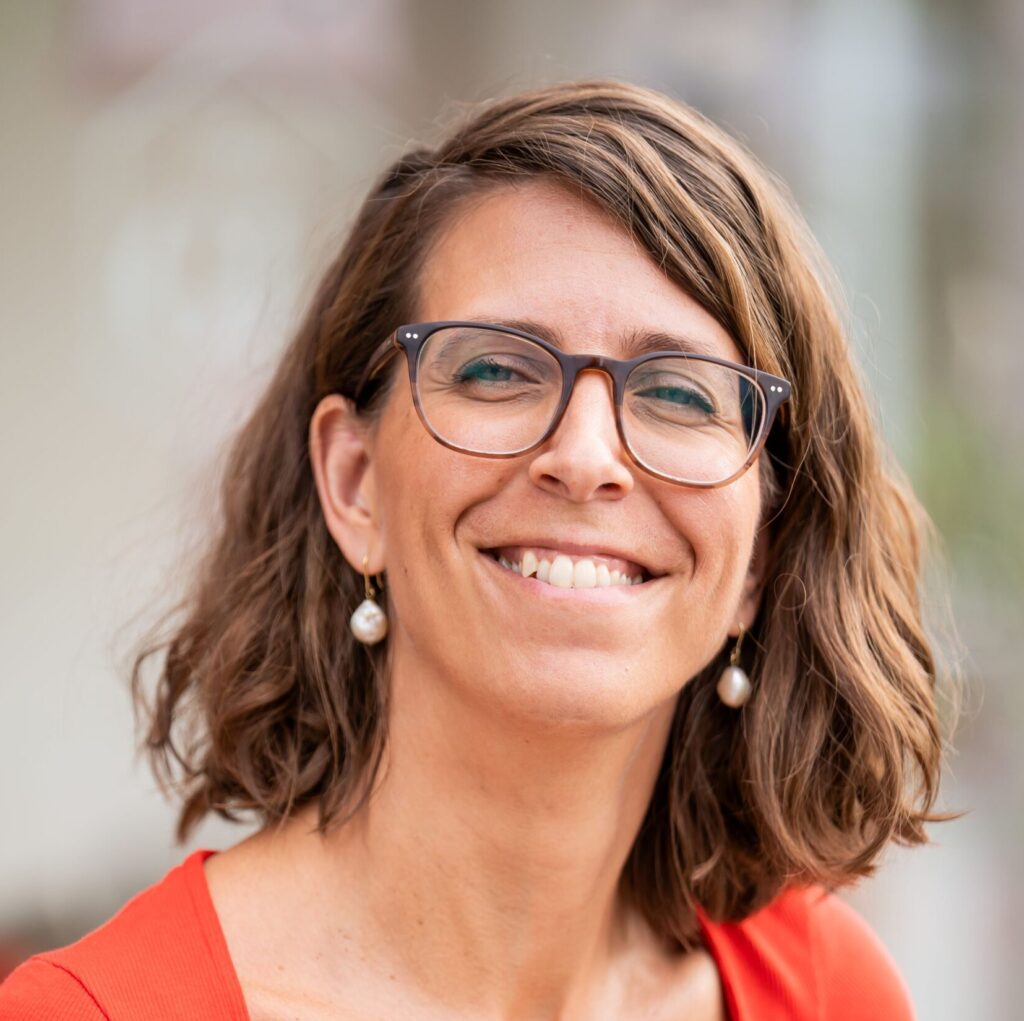
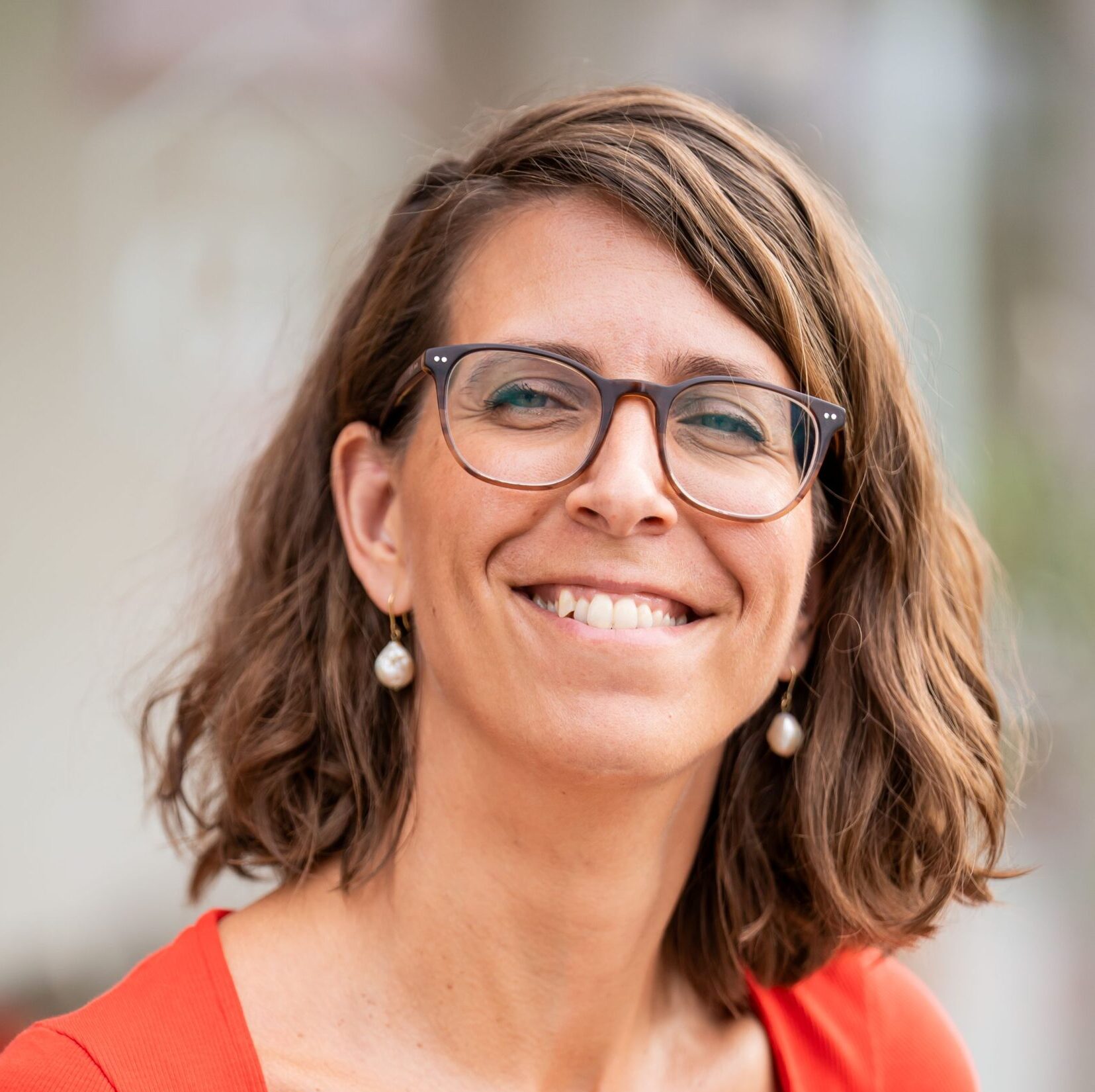
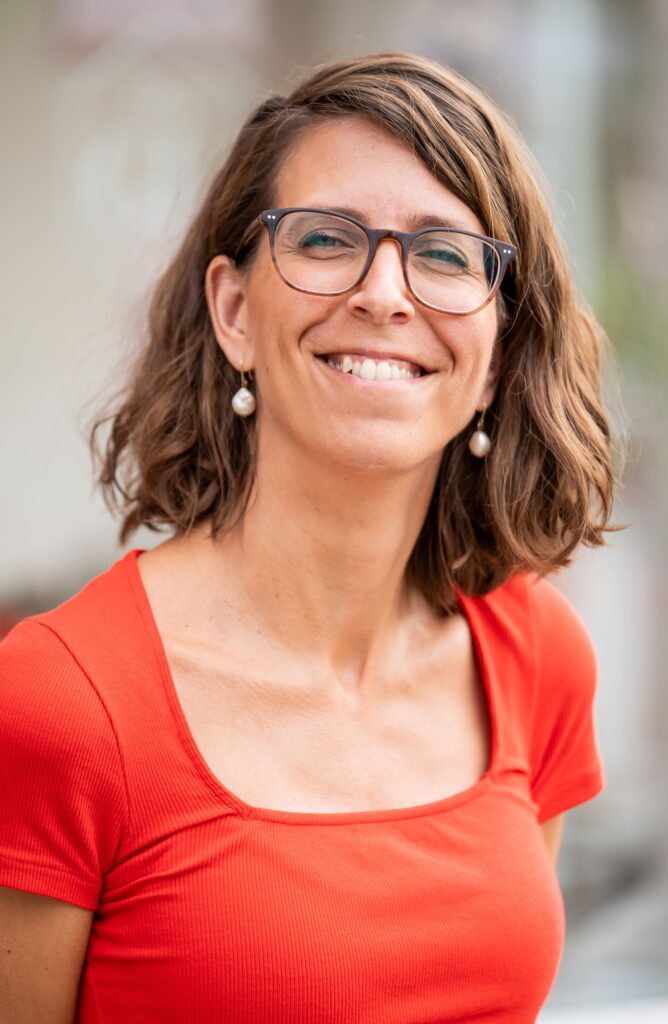 Tineke Kleinhout-Vliek is a researcher at University College Dublin. Her research focuses on socially responsible pharmaceutical innovation, alternative models for pharmaceutical development, and the role of collaboration and ecosystem organisations.
The workshop ‘Orchestrating Socially Responsible Innovation in Pharma’ was supported by the European Association for the Study of Science and Technology and the Wellcome Trust.
Photo: Gerhard Nel Photography